
Aging in Place: How to Prepare Your Home for the Years Ahead
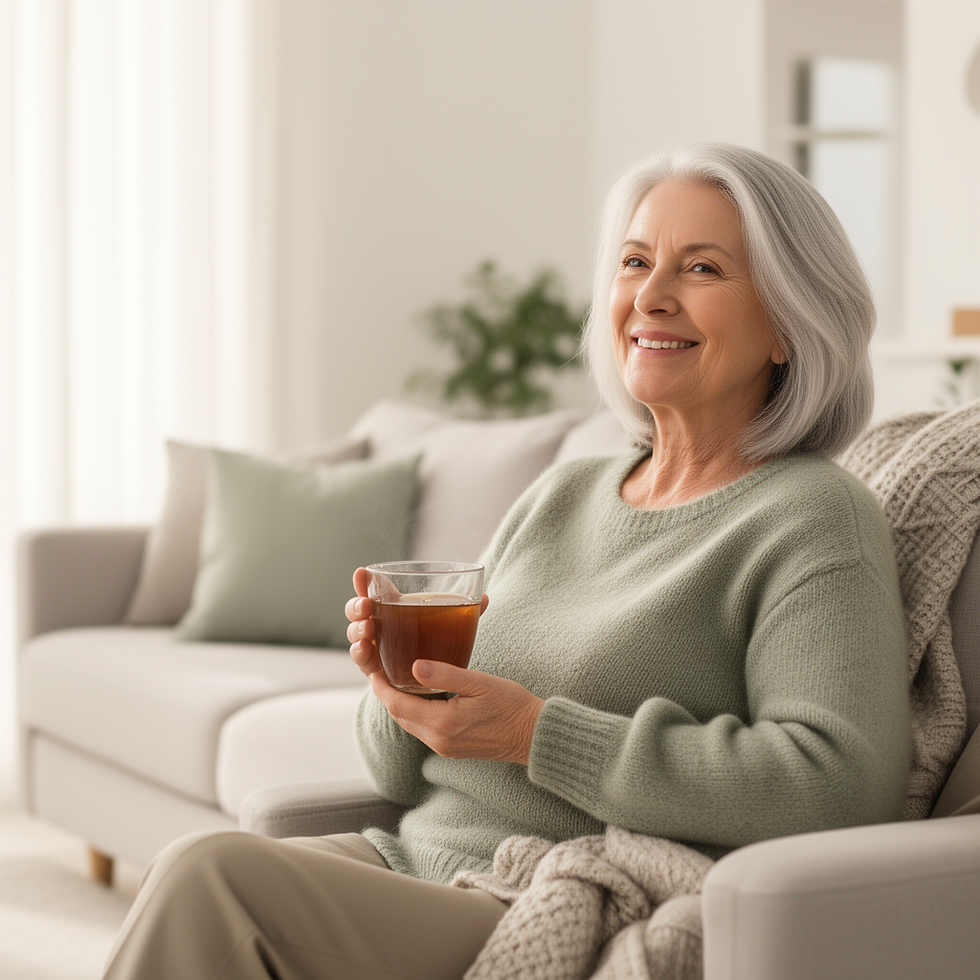
For many people, home represents independence, familiarity and comfort. It's where routines have been established, memories have been created and life happens every day. That's why many homeowners want their homes to continue working for them as they get older. This idea is often called aging in place—creating an environment that can accommodate changing needs while allowing people to continue living in a familiar home. And preparing doesn't necessarily mean remodeling your entire house.
Start with the bathroom
The bathroom is often a good place to begin because everyday activities involve wet surfaces and repeated transitions between standing and sitting.
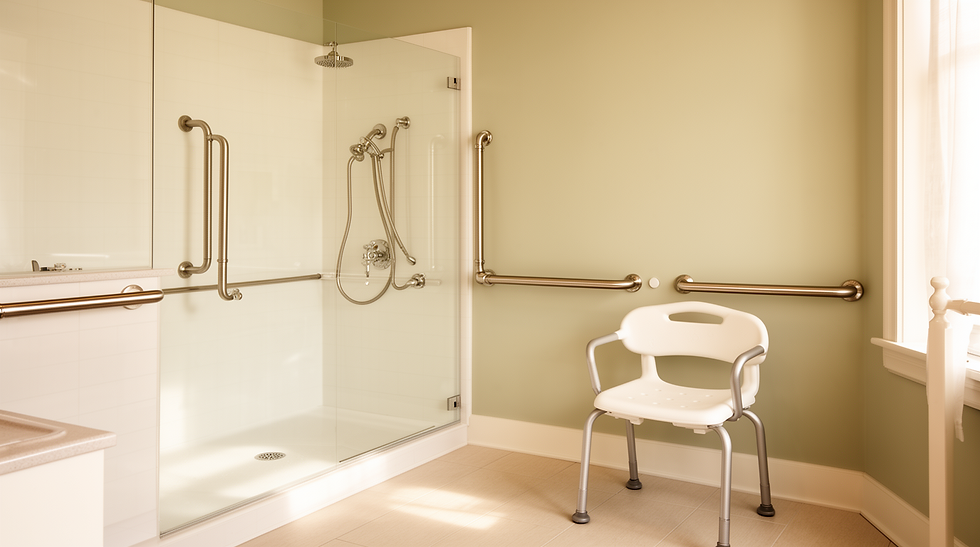
Consider improvements such as grab bars, shower seating, handheld shower fixtures, toilet support frames, raised toilet seats and appropriately designed slip-resistant surfaces. The goal isn't to completely change the bathroom. It's to add support where it can be useful.
Think about nighttime movement
Imagine waking up at 2 a.m. and walking from the bedroom to the bathroom.
Is the pathway clearly illuminated? Motion-activated night lights can make nighttime navigation easier without requiring overhead lights to remain on. Lighting can be especially helpful near beds, hallways, stairways and bathrooms.
Make the bedroom easier to navigate
The bedroom should be comfortable and uncomplicated. Keep the path between the bed and doorway clear. Frequently used items such as glasses, phones, medication organizers or remote controls should be easy to access. For people who want additional support when getting into or out of bed, a properly selected bed assist rail may provide another stable point of contact.
Reduce unnecessary reaching and bending
Look around your home and consider where everyday items are stored. Are frequently used kitchen supplies on the highest shelf? Are bathroom products underneath a deep cabinet? Is the television remote constantly disappearing? Simple organizers can help keep everyday essentials within comfortable reach.
Don't forget entrances and hallways
Home safety extends beyond the bathroom and bedroom. Review entrances, hallways and stairs for adequate lighting, clear walking paths and appropriate hand support.
Small improvements throughout the home can work together to create a more comfortable environment.
Design matters, too
Historically, many accessibility products were designed primarily for institutional settings. Homes are different. Aging-in-place products can be functional while still complementing the design of a bathroom, bedroom or living space.
EverHome was created around a simple belief:
Safety doesn't have to look clinical.
Thoughtfully designed products can help support everyday independence while allowing your home to continue looking and feeling like home.

Comments